
Henry Moore
Henry Moore: Drawing in the Dark
9th May – 26th August
Art Gallery, Danum Gallery, Library and Museum
Danum Gallery, Library and Museum are delighted to present the largest ever exhibition of coalmining drawings by celebrated artist, Henry Moore.
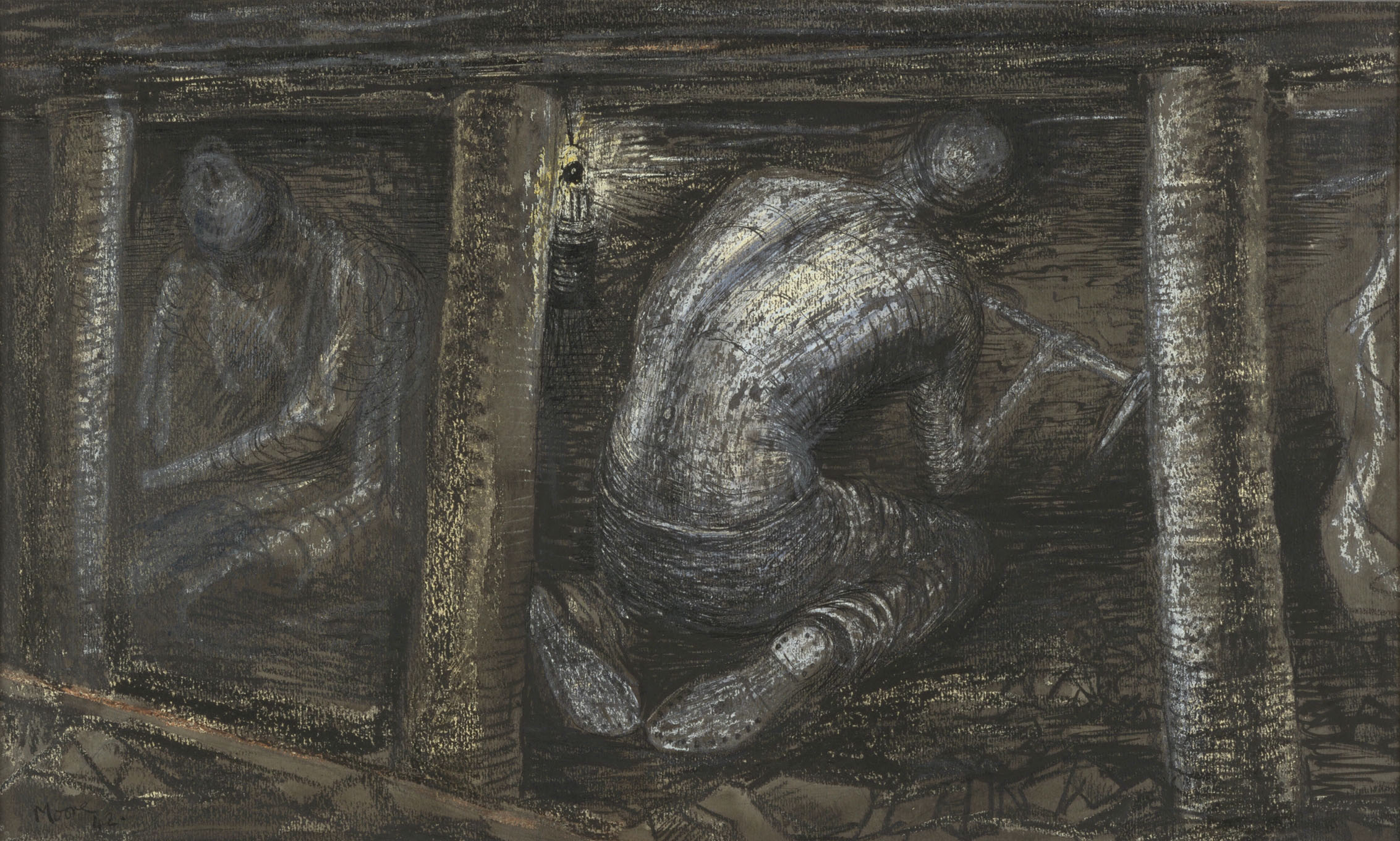
Henry Moore, At the Coal Face (1942) © The Whitworth, The University of Manchester
Adult Drawing Workshops
Sessions include an exhibition tour, followed by art activities using a variety of materials including wax crayons and Indian ink. All materials and refreshments provided. Please note there are only 10 spaces available per session. Please meet at the Paddington Room, First Floor, to start the workshop.
Saturday 10 June
Saturday 15 July
Saturday 12 August
10.30am – 2pm
Ticket cost: £7.50
These workshops are all sold out. Thank you for your interest.
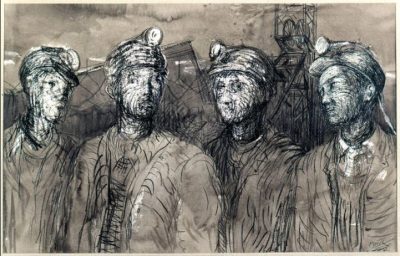
Pit Boys at Pit Head, 1942, Wakefield Permanent Art Collection. Image courtesy of The Hepworth Wakefield.
Family Craft Activities
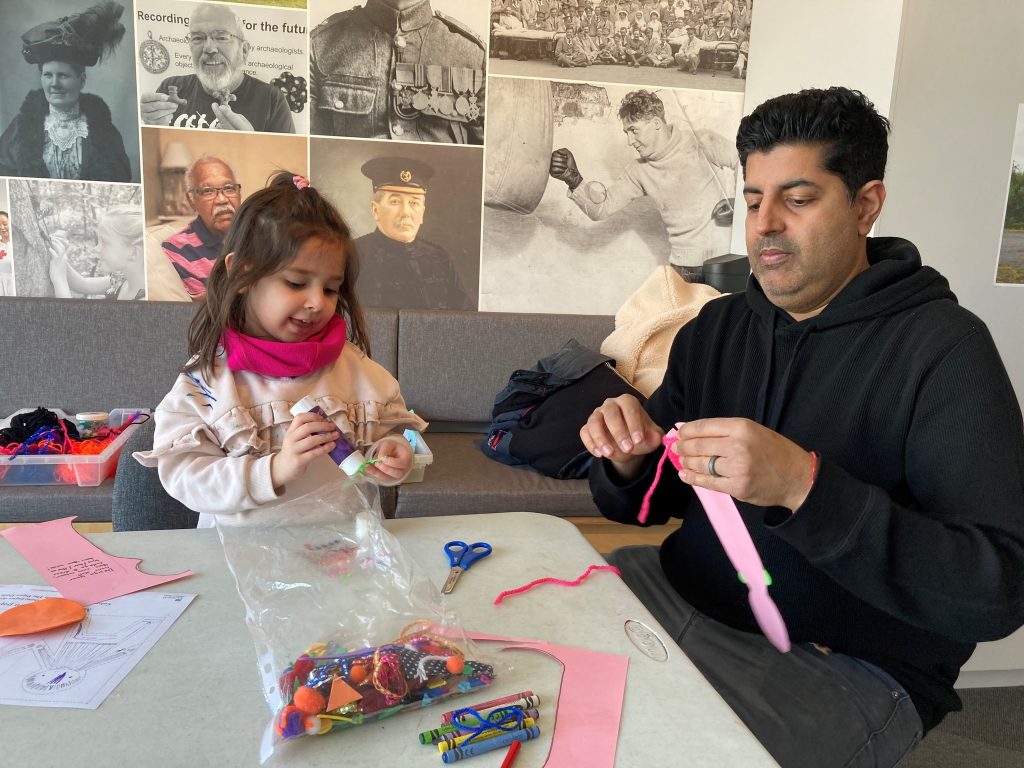
Free craft activities using Henry Moore’s works as inspiration. Join us in the Paddington Room, First Floor, Danum Gallery, Library and Museum.
Tuesday 15 August
11am – 12.30pm, 1pm to 3pm
Tuesday 22 August
11am – 12.30pm, 1pm to 3pm
No need to book.
Twilight Exhibition Tours
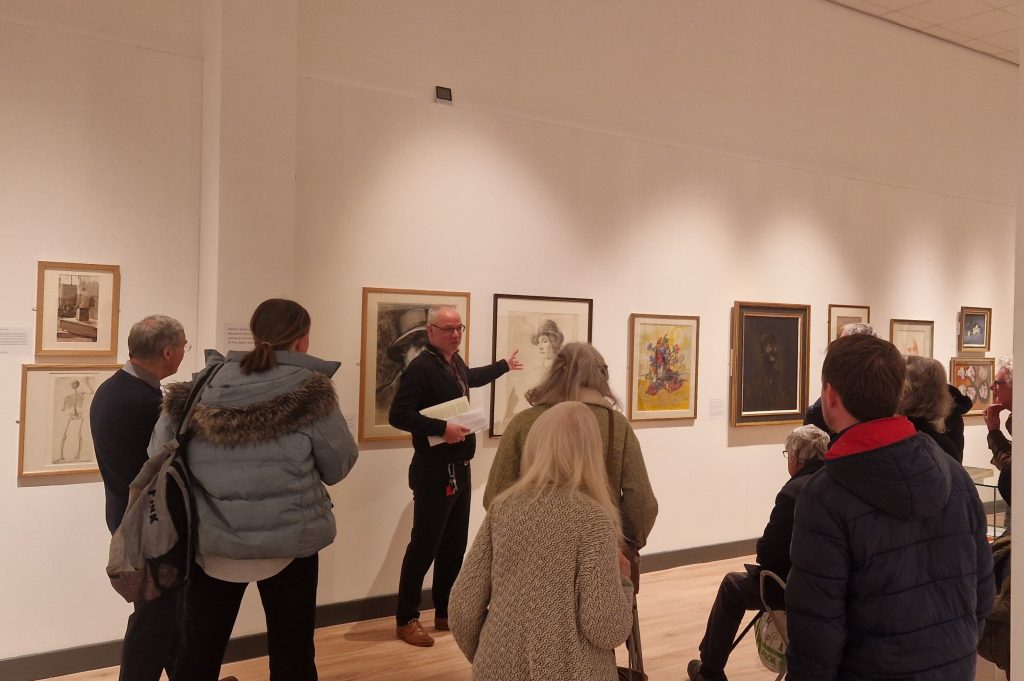
Find out more about the exhibition artworks.
Thursday 8 June
Thursday 6 July
Thursday 10 August – British Sign Language Interpreted.
5.30 – 6.30pm.
Free, no need to book.
More Exhibition Information
Henry Moore is famous for his sculpture, particularly of women and abstract forms. His drawings of Londoners sheltering from The Blitz are also well known. But it is often forgotten that Moore was the son of a coalminer from Castleford in Yorkshire, and as a war artist, he developed a detailed series of drawings from sketches he made at the mine where his father had worked.
In early 1942, Henry Moore spent two weeks sketching underground at Wheldale Colliery. He found it challenging drawing figures emerging from the dusty darkness yet filled a notebook with sketches of miners labouring, gathering and resting. Back in his Hertfordshire studio, Moore worked from these observed studies to develop compositions for further drawings and finished pieces. The commission focused his attention on the male figure at work – a rare departure from his preoccupation with the reclining female form.
The coalmining drawings not only demonstrate the back-breaking labour miners endured as part of Britain’s war effort, they also reveal new insights into Moore’s life, artistic process and influences on later works – offering a unique opportunity to see the leading British Modernist sculptor afresh, through drawings, notes and a rare choice of subject matter.
This timely exhibition takes inspiration from the new book, Drawing in the Dark: Henry Moore’s Coalmining Commission by art historian Chris Owen, which was published by Lund Humphries in Autumn 2022.
Curated by UH Arts + Culture for St Albans Museum + Gallery. Generously supported by the Henry Moore Foundation and Arts Council England, and made possible as a result of the Government Indemnity Scheme.